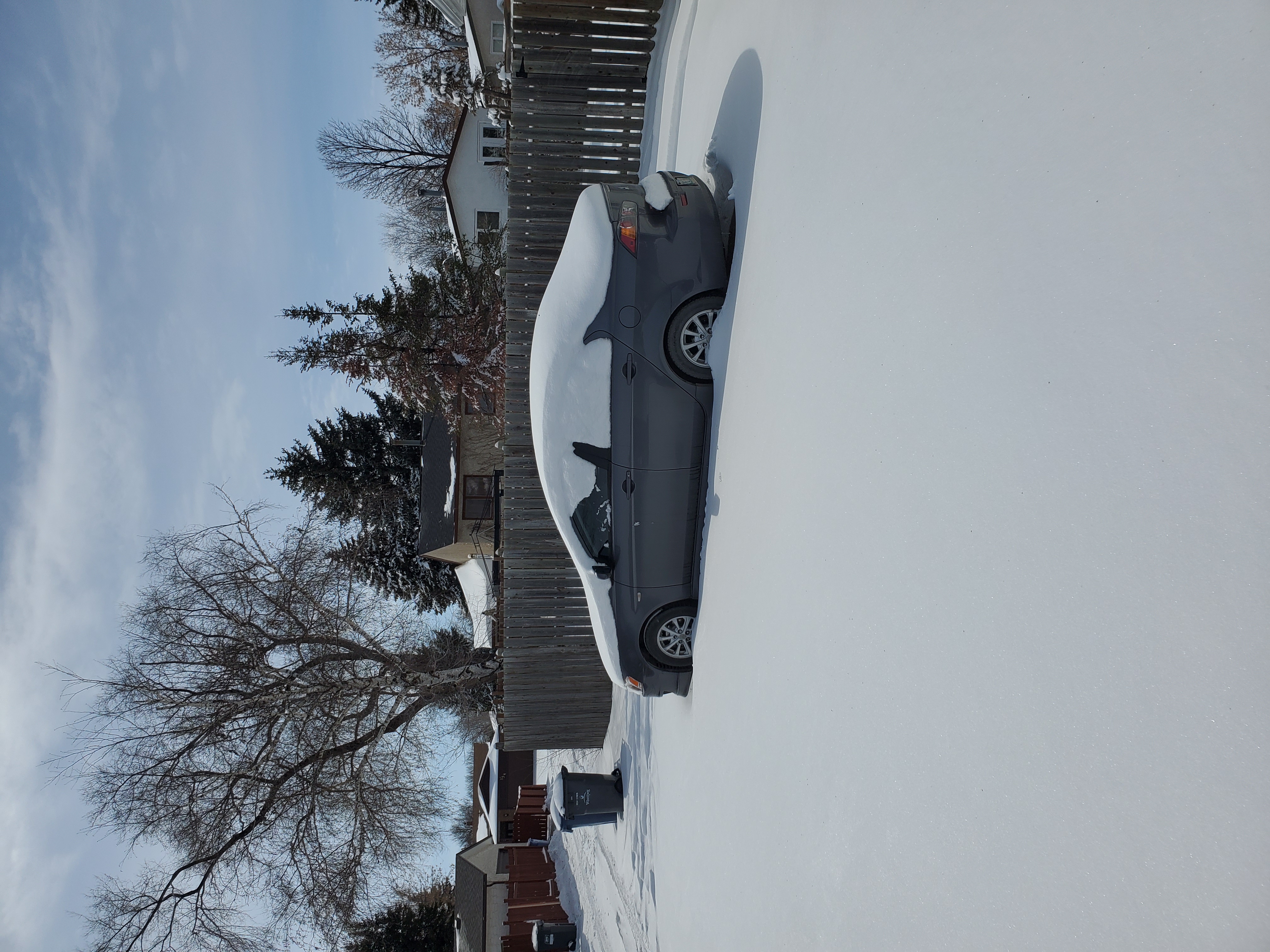
The Freeze-Thaw Mechanism
Water expands by approximately 9% when it freezes. In a confined crack or surface pore, this expansion exerts internal pressure on the surrounding material. Concrete, which is rigid, can withstand a limited number of these cycles before the stress exceeds the tensile strength of the cement matrix. Asphalt, being more flexible, responds differently — it deforms under repeated cycles, but aggregate can loosen and surface ravelling begins.
The number of freeze-thaw cycles per winter varies substantially across Canada. Ottawa and Montreal regularly exceed 60–70 cycles per winter — meaning the temperature crosses 0°C in both directions more than 60 times per season. In contrast, Edmonton and Winnipeg, while colder overall, experience fewer transition cycles because temperatures stay consistently below freezing for longer periods. Coastal British Columbia has the fewest extreme cold days but undergoes frequent freeze-thaw transitions near 0°C throughout winter and spring.
New concrete is particularly vulnerable during the first winter after placement. Concrete placed in autumn may not have completed its curing cycle before freeze-thaw exposure begins. Contractors typically recommend waiting at least one year before applying de-icing chemicals to freshly placed concrete.
De-Icer Selection and Its Effect on Surfaces
Sodium Chloride (Rock Salt)
The most widely used and least expensive de-icer in Canada. Effective at surface temperatures down to approximately −9°C. Sodium chloride works by depressing the freezing point of water — the resulting brine melts ice and prevents refreezing. On concrete, chloride ions penetrate the cement matrix and can accelerate corrosion of reinforcing steel (rebar) over time. On asphalt, the primary concern is drainage and the effect of brine on adjacent vegetation rather than surface degradation directly.
Calcium Chloride
Effective to approximately −25°C, making it the practical choice for sustained cold in Alberta, Saskatchewan, and Manitoba. It generates heat on contact with water, making it faster acting than sodium chloride. Calcium chloride is hygroscopic — it continues absorbing moisture from the air, which keeps treated surfaces slightly wet. This is useful for prevention but means treated sidewalks remain slippery-feeling even after ice has melted. The cost per kilogram is higher than rock salt.
Magnesium Chloride
Commonly used in liquid form for pre-treatment of roads and in granular form for residential use. Effective to around −15°C. Generally considered less aggressive on concrete than calcium chloride in repeated applications. Studies from the Colorado Department of Transportation (referenced in Canadian winter roads literature) have examined chloride penetration from various de-icers, though specific penetration rates vary with concrete mix design and age.
Sand and Grit
Not a de-icer — sand provides traction without melting ice. It is the preferred material on surfaces where chemical application is restricted (new concrete, wooden surfaces, near sensitive vegetation) or where temperatures are below the effective range of available chloride products. Sand washes off with snowmelt and requires reapplication. Spring cleanup of accumulated sand is needed to prevent drain blockage.
Urea-Based Products
Lower chloride content makes urea products less damaging to concrete and vegetation. However, urea is a nitrogen compound — in high concentrations, runoff can affect water quality in drainage systems that discharge to watercourses. Their effective temperature range is also narrower than calcium chloride.
Surface Preparation: Sealing Before Winter
Concrete Sealing
Penetrating concrete sealers (silane, siloxane, or silane/siloxane blends) reduce the rate at which water enters the surface pores. They do not fill existing cracks but reduce the absorption of new moisture through the intact surface. These products are applied in dry conditions — typically late summer or early autumn — and require several weeks to cure before freeze-thaw exposure begins. They are water-repellent, not waterproof, and penetration depth increases their durability.
Film-forming sealers (acrylic, polyurethane) create a surface layer that can peel or delaminate under freeze-thaw stress on exterior concrete, particularly on horizontal surfaces that hold standing water. They are more appropriate for vertical applications or protected surfaces.
Asphalt Sealing
Asphalt sealcoating (coal tar or asphalt emulsion-based) fills small surface voids and slows oxidation, which is the primary long-term degradation mechanism for asphalt apart from freeze-thaw action. Crack sealing with hot-pour or cold-applied rubberized crack filler before winter prevents water from entering and freezing within existing cracks. The standard practice is to clean the crack, apply filler, and allow adequate cure time before temperatures drop below 5°C.
Drainage and Grading
Standing water is the primary source of freeze-thaw damage to surface materials. Surfaces that drain poorly accumulate water that subsequently freezes in place — this affects both the surface material and the subgrade beneath it. Frost heave in poorly drained subgrades can lift sections of concrete or asphalt entirely.
The standard recommendation is to slope driveways and walkways a minimum of 2% (about 2 cm per metre) away from structures and toward appropriate drainage outlets. Downspout discharge should not be directed across walkways or driveways — the water flow concentrates at that point and creates an ice path in freeze conditions.
French Drains and Edge Drains
On driveways with persistent drainage problems, a French drain along one or both edges — perforated pipe in a gravel bed — intercepts water before it saturates the subgrade. This is a significant installation but extends surface life considerably in areas with high water tables or poor natural drainage.
Crack Repair Timing
Cracks wider than approximately 3–4 mm warrant filling before winter. Smaller hairline cracks in concrete (often from shrinkage during curing) can be monitored. Once a crack exceeds this threshold, water entry and freeze-thaw expansion will enlarge it progressively. Repairs made in spring (after thaw, when the crack is at its widest) bond more effectively than repairs made in late autumn when the crack may be compressed by thermal contraction.